 blog
blog
Best Lawn Care for Northern Virginia: A Guide
Table of Contents
- What Makes Lawn Care Different in Northern Virginia
- Lawn Care Companies in Northern Virginia: What to Look For
- Lawn Mowing Services in Northern Virginia: Frequency and Timing
- Best Grass for Northern Virginia Lawns
- Essential Lawn Care Services: Beyond Mowing
- Understanding Lawn Care Service Cost and Value
- A Northern Virginia Seasonal Lawn Care Calendar
- Frequently Asked Questions
Last Updated: October 4, 2026
What Makes Lawn Care Different in Northern Virginia
Northern Virginia's hot, humid summers and cold winters create unique lawn care challenges. Cool-season grasses thrive here, but only with proper soil conditions and seasonal maintenance aligned to regional growth patterns.
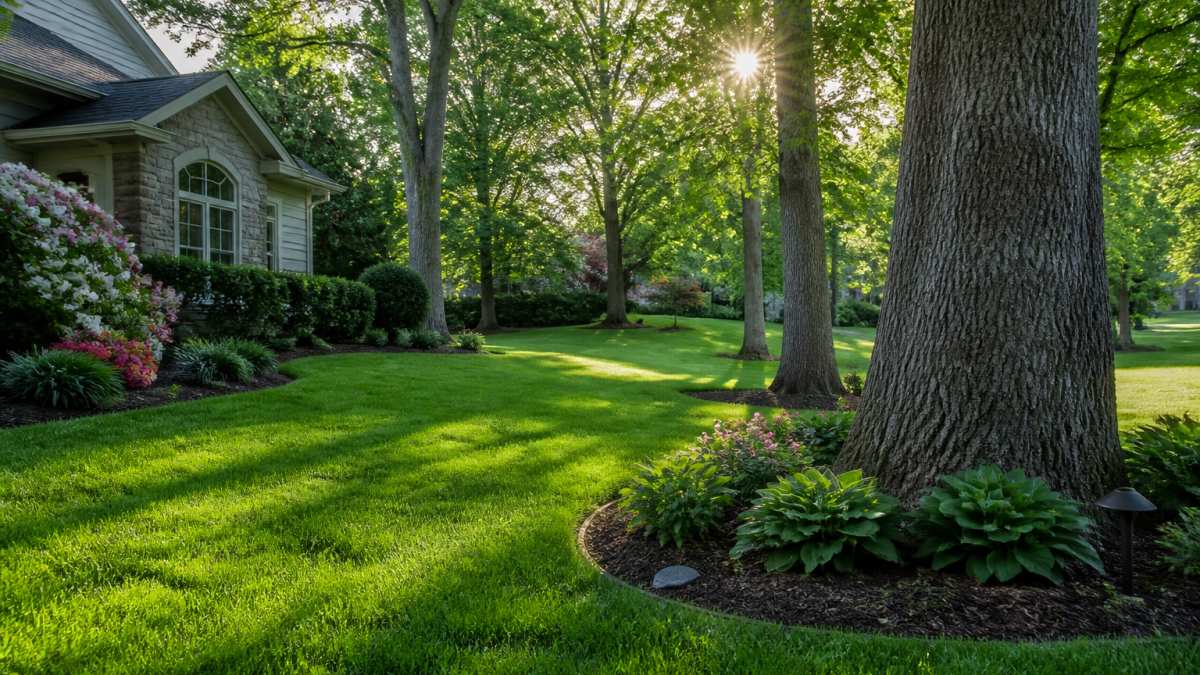
One-size-fits-all approaches fail here. The humidity creates disease and pest pressure absent in drier climates, while clay and clay loam soils common throughout the region hold moisture differently than sandy soils, affecting drainage and nutrient availability.
The best lawn care for Northern Virginia starts with understanding these fundamentals. Your lawn isn't just grass; it's a living system responding to soil, climate, and seasonal cycles. Success requires matching your service strategy to what actually grows well here, not what works in other regions.
Lawn Care Companies in Northern Virginia: What to Look For
Choosing the right lawn care provider prevents wasted money on ineffective treatments. Use these concrete criteria to evaluate providers rather than relying on rankings alone.
Licensing, Insurance, and Service Area Verification
Verify providers hold a Virginia Department of Agriculture and Consumer Services (VDACS) pesticide applicator license and ask for proof that it covers the treatments they recommend.
A reputable provider carries general liability insurance (minimum $1 million) and can provide a certificate upon request, protecting you if equipment damages property or someone is injured.
Ask whether your zip code is in their standard service area or an extended location. Providers with established routes in your neighborhood deliver faster response times and consistent scheduling.
Treatment Practices and Guarantees
Ask prospective providers in writing about: (1) whether they conduct soil testing before recommending fertilization, (2) whether they adjust service frequency seasonally or follow a rigid calendar, and (3) what their satisfaction guarantee covers and the refund window. A quality company explains active ingredients and their environmental impact, and schedules aeration during spring and fall windows critical for Northern Virginia.
Customer Reviews and Reference Checks
Look for patterns in reviews rather than individual comments. Red flags: missed appointments, vague descriptions, billing disputes, or no response to negative reviews. Green flags: specific seasonal timing mentions, soil testing references, and detailed explanations. A 4.5-star provider with 200 reviews is more reliable than a 4.8-star provider with 12. Ask for references from customers with similar lawn conditions.
Comparing Service Offerings and Contracts
Northern Virginia providers offer three models: à la carte (maximum flexibility, no bundled discounts), seasonal packages (better pricing, aligns with regional seasons), or annual contracts (lowest cost, ensures consistency). Before signing, confirm what services are included, whether pricing is fixed, cancellation terms, auto-renewal clauses, and what happens if they miss a service. A trial period reduces your risk.
Lawn Mowing Services in Northern Virginia: Frequency and Timing
Mowing frequency should match seasonal growth: weekly or twice-weekly in peak seasons (April-May, September-October), every 10-14 days in summer, and stop during winter dormancy. Keep grass at 2.5-3.5 inches tall during summer to shade soil and prevent heat stress. A service that adjusts frequency seasonally delivers better results than one following a fixed calendar.
Best Grass for Northern Virginia Lawns
Cool-Season Grasses and Soil Conditions
Tall fescue, perennial ryegrass, and Kentucky bluegrass dominate Northern Virginia. Soil condition determines which performs best on your property, clay soils require different selections than clay loam. Soil testing reveals pH, nutrient levels, and organic matter, critical for matching grass type to your soil. The best providers start with soil analysis before recommending anything.
Seasonal Growth and Maintenance
Cool-season grasses grow most actively in spring and fall, making these ideal times for overseeding, aeration, and renovation. Summer maintenance focuses on stress management: proper watering, appropriate mowing height, and avoiding foot traffic on heat-stressed areas. A service that schedules treatments around these seasonal windows delivers results.
Essential Lawn Care Services: Beyond Mowing
Fertilization and Soil Testing
Soil testing reveals exactly what nutrients your lawn needs. The best lawn care for Northern Virginia includes soil testing every 2-3 years paired with targeted fertilization based on results. Organic or slow-release fertilizers build soil biology and provide sustained nutrition. A professional provider explains test results and connects them to fertilization recommendations.
Weed Control and Pest Management
Integrated pest management combines cultural practices, biological controls, and targeted treatments only when necessary. Weed control starts with a healthy, dense lawn that crowds out weeds naturally. Pest management focuses on prevention: proper soil health, appropriate watering, and aeration reduce pest pressure.
Aeration, Overseeding, and Lawn Renovation
Aeration relieves soil compaction in Northern Virginia's clay soils, essential for long-term lawn health. Spring and fall are ideal timing windows. Overseeding after aeration fills bare spots and improves germination. Lawn renovation combines aeration, overseeding, and soil amendment to transform degraded lawns.
Understanding Lawn Care Service Cost and Value
Regional Pricing Benchmarks by Service
Lawn Mowing: Pricing for lawn mowing depends on factors like property size and service frequency. Ask whether edging, trimming, and debris removal are included.
Soil Testing: Professional soil testing is a valuable investment because it informs all subsequent fertilization and amendment decisions. Many providers include soil testing in renovation packages but charge separately for routine maintenance customers.
Fertilization: Pricing for a single fertilization application depends on lawn size and product type. Organic or slow-release fertilizers can provide longer-lasting results. Most providers recommend multiple applications annually. Providers offering annual fertilization programs often discount the per-application cost.
Aeration: Pricing for spring or fall aeration depends on lawn size and soil compaction severity. This is a once-annually service in most cases, though heavily trafficked lawns may benefit from twice-yearly aeration. Some providers bundle aeration with overseeding at a slight discount.
Overseeding: Pricing for overseeding alone depends on the application. When combined with aeration (the ideal approach), providers often bundle both services. Fall overseeding can be more expensive than spring overseeding due to demand.
Weed Control: Pricing for spot treatments for individual weeds varies per visit. Comprehensive weed control programs depend on weed pressure and treatment frequency. Organic or low-toxicity options may cost more than conventional herbicides.
Pest and Disease Management: Pricing for monitoring and targeted treatment varies per visit, with frequency depending on pest pressure. Annual pest management programs depend on the scope of service. Disease treatments are usually charged as needed rather than on a fixed schedule.
Lawn Renovation: Pricing for a comprehensive renovation combining aeration, overseeding, soil amendment, and initial fertilization depends on lawn size and current condition. This is a one-time or occasional service, not recurring.
How Property Size Affects Cost
Most providers quote based on lawn square footage. A smaller lawn typically costs less per service than a larger lawn, but the per-square-foot cost may be slightly higher due to minimum service charges. Request quotes for your specific property size rather than relying on average pricing. Some providers offer tiered pricing.
Evaluating Return on Investment
The cheapest lawn care provider rarely delivers the best value. A company charging significantly below market rates may cut corners, potentially leading to disappointing results or the need for expensive emergency renovations.
Instead, evaluate return on investment by comparing long-term outcomes against total cost:
- Soil health improvement: A provider investing in soil testing and targeted amendments builds organic matter and beneficial microorganisms. This reduces future fertilizer needs and pest pressure, lowering long-term costs. A lawn with healthy soil may need fewer fertilizer applications annually.
- Density and weed suppression: A denser lawn crowds out weeds naturally, reducing weed control costs. A provider using aeration and overseeding to build lawn density may cost more upfront but can reduce weed control spending over time.
- Preventive vs. reactive: A provider catching disease or pest problems early prevents expensive emergency treatments. Monitoring and early intervention cost less than waiting until damage is severe.
- Seasonal timing: A provider scheduling aeration and overseeding during optimal windows (spring and fall) achieves better results than off-season applications. Better results mean fewer repeat treatments needed.
Compare three providers by calculating total annual cost for a standard service package (mowing, 3-4 fertilizer applications, one aeration, one overseeding, and weed control as needed). When comparing providers, consider the total annual cost for a standard service package. If a provider's lawn care leads to visibly healthier results and requires fewer treatments over time, the higher cost may deliver better value.
Questions to Ask About Pricing
Before committing, ask prospective providers:
- "Is your quote all-inclusive, or are there additional charges for edging, debris removal, or equipment fees?"
- "How do you adjust pricing if my lawn condition improves or declines?"
- "Do you offer discounts for annual contracts or bundled services?"
- "What happens to my pricing if I add or remove services mid-contract?"
- "Are there seasonal price adjustments, or is pricing consistent year-round?"
- "If a treatment doesn't deliver expected results, how do you address it, retreat at no charge, adjust the plan, or refund?"
Transparent providers answer these questions directly and provide written quotes specifying what's included, what's excluded, and any conditions affecting price.
A Northern Virginia Seasonal Lawn Care Calendar
Spring (March-May): This is when cool-season grasses wake up and growth accelerates. Aeration and overseeding work best in early spring when soil moisture is high and temperatures are moderate. Fertilization supports new growth. Weed pressure increases as temperatures warm, requiring early intervention.
Summer (June-August): Heat stress is the primary concern. Adjust mowing frequency downward and keep grass taller to shade soil. Deep watering becomes critical during dry spells. Pest and disease pressure peaks in humidity. Avoid major treatments that stress plants further.
Fall (September-November): Growth accelerates again as temperatures cool. Fall is the ideal window for aeration and overseeding, arguably more important than spring. Fertilization prepares grass for winter dormancy. Pest pressure decreases. This season determines winter hardiness and spring vigor.
Winter (December-February): Most cool-season grasses go dormant. Mowing stops. Focus shifts to planning and soil preparation for spring. Winter is when you should schedule soil testing and plan spring treatments based on results.
The best lawn care for Northern Virginia starts with understanding your climate, soil, and grass type, then matching your service strategy to those realities. At Lover's Lawn Services LLC, we've built our approach on this foundation: professional, Scandinavian-inspired lawn care that transforms your yard into a clean, balanced, and effortlessly maintained outdoor space. We use state-of-the-art equipment and eco-friendly practices to deliver precision maintenance year-round. Our 100% satisfaction guarantee with a 3-day refund policy removes the risk from your decision. Learn more about sustainable lawn care practices from the EPA and discover how professional management protects both your yard and the environment. Ready to experience the difference that thoughtful, reliable service makes? Get started with Lover's Lawn Services LLC and transform your Northern Virginia lawn into the healthy, beautiful space you deserve.
Frequently Asked Questions
What is the best grass for Northern Virginia?
Cool-season grasses thrive in Northern Virginia's humid climate and temperature swings. Tall fescue and Kentucky bluegrass are the most reliable choices for this region. Tall fescue handles clay soil and drought better, while Kentucky bluegrass self-repairs through rhizomes. Many lawns use a blend of both. Soil testing will reveal which variety suits your specific yard conditions best.
How often should lawn mowing services cut my grass during the growing season?
Most lawns in Northern Virginia need mowing once weekly during peak growing season (spring and early summer) and every 10-14 days in slower growth periods. The 1/3 rule applies: never cut more than one-third of the grass blade length in a single mowing. This reduces stress, prevents brown patches, and promotes healthier growth. Frequency increases during wet springs when grass grows rapidly.
How do I choose a lawn care company in Northern Virginia?
Prioritize reliability, transparent pricing, and service consistency. Check reviews and ask about their guarantee policy. Request a free estimate and ask whether they offer soil testing and customized treatment plans. Verify they understand Northern Virginia's specific soil types (often clay loam) and seasonal needs. Choose a provider with eco-friendly options if sustainability matters to you. Confirm their service area covers your neighborhood.
What does lawn care service cost in Northern Virginia?
Pricing depends on lawn size, current condition, service frequency, and the specific treatments needed. Basic mowing plans cost less than comprehensive programs that include fertilization, weed control, and aeration. Most providers offer free estimates. Visit the service provider's pricing page or request a quote based on your property to understand exact costs for your situation.