 how-to
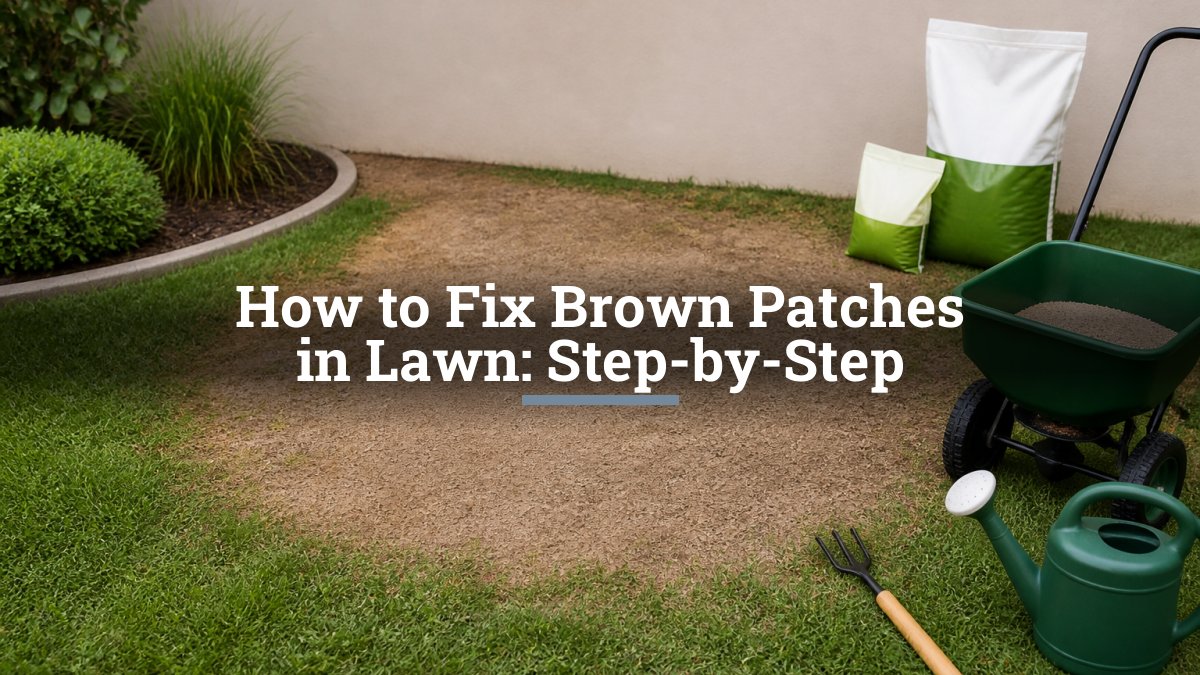
How to Fix Brown Patches in Lawn: Step-by-Step
Table of Contents
- Step 1: Diagnose Why Your Lawn Is Turning Brown in Patches
- Step 2: Treat Brown Patch Lawn Disease and Fungal Damage
- Step 3: Fix Watering, Drainage, and Airflow Issues
- Step 4: Mow, Dethatch, and Improve Airflow
- Step 5: How to Reseed Bare Spots in Your Lawn
- How Long Does It Take for Grass to Recover from Brown Patches
- Prevention: Stop Brown Patches Before They Start
- Conclusion
- Frequently Asked Questions
Last Updated: October 7, 2026
Step 1: Diagnose Why Your Lawn Is Turning Brown in Patches
Learning how to fix brown patches in lawn starts with figuring out what caused them. Brown patches can come from disease, drought, poor drainage, or soil problems. Identifying the real culprit saves you time and money on treatments that won't work.
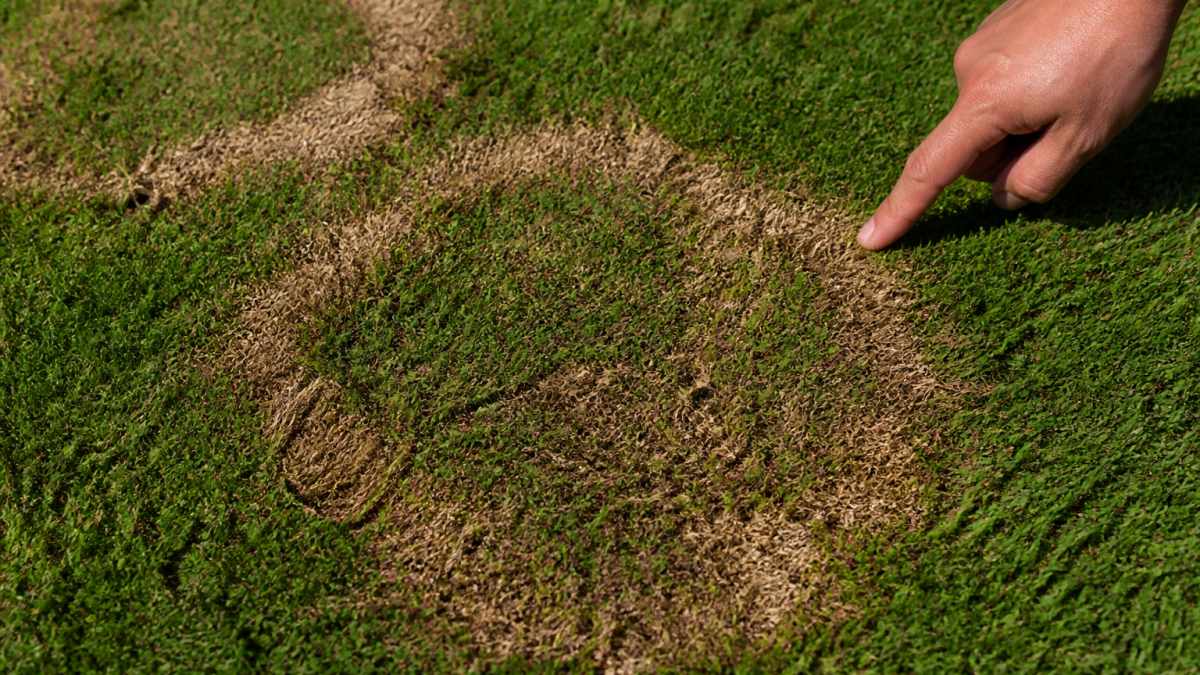
Check for fungal disease signs
Brown patch disease is a fungal infection that thrives in warm, humid conditions. Look for circular or irregular brown patches with darker rings around the edges. The grass inside the ring often appears tan or straw-colored. Affected turf pulls up easily from the soil.
Fungal disease spreads quickly in lawns with poor airflow. Dense thatch, compacted soil, and wet leaves create ideal conditions for fungi to grow. If you see these signs, fungal treatment becomes necessary.
Check your grass closely. Run your fingers through it. Does it feel mushy or slimy? That's a sign of active fungal infection.
Rule out drought and watering problems
Drought causes brown patches that look different from fungal disease. Drought damage appears as dry, crispy grass that doesn't pull up easily. The brown areas lack the distinctive ring pattern of fungal disease.
Overwatering creates similar problems. Too much water keeps soil soggy. Roots can't breathe. Grass weakens and dies.
Check your watering schedule. How often are you watering? Most lawns need 1 to 1.5 inches per week, including rainfall. Water early in the morning, never at night.
Inspect soil and drainage
Poor drainage causes standing water. Standing water suffocates roots and feeds fungal growth. Dig into a brown patch. Is the soil soggy? Does water pool there after rain?
Compacted soil prevents water from draining. Heavy foot traffic, equipment, and clay soil all cause compaction. Compacted areas stay wet longer, creating perfect conditions for brown patch disease.
Check soil texture. Squeeze moist soil in your hand. Does it clump tightly? That indicates clay or compaction. Healthy soil crumbles apart easily.
Thatch buildup also blocks drainage. Thatch is dead grass and plant material that accumulates on the soil surface.
Step 2: Treat Brown Patch Lawn Disease and Fungal Damage
Once you've confirmed fungal disease, treatment becomes straightforward. The goal is to stop the fungus from spreading while improving conditions that allow it to grow.
When to use fungicide
Fungicide works best when applied early. Treat brown patch disease as soon as you see symptoms. Waiting allows the fungus to spread deeper into the turf.
Apply fungicide in the late afternoon or early evening. Avoid applying during rain. Most fungicides need 24 hours without rain to work properly.
Follow the product label exactly. Measure carefully. More fungicide doesn't work better, it wastes money and can damage grass.
Most fungal infections require two applications, 7 to 14 days apart. Mark your calendar. The second application is just as important as the first.
Eco-friendly treatment options
Chemical fungicides work quickly, but eco-friendly options exist. These approaches take longer but reduce chemical exposure.
Improve drainage and airflow first. This alone stops many fungal problems. Better conditions prevent the fungus from thriving, even if some spores remain.
Organic fungicides use sulfur or neem oil. These products disrupt fungal growth without harsh chemicals. Apply every 7 to 10 days during active infection.
Aeration breaks up compacted soil. This improves drainage and airflow. Aerate in fall or spring when grass is actively growing. Better soil conditions naturally resist fungal disease.
At Lover's Lawn Services LLC, we combine eco-friendly practices with proven treatment methods.
Step 3: Fix Watering, Drainage, and Airflow Issues
Fixing brown patches means fixing the conditions that caused them. Watering, drainage, and airflow are the three pillars of lawn health.
Adjust your watering schedule
Water deeply but less frequently. Shallow daily watering encourages fungal disease. Deep watering every 3 to 4 days builds stronger roots.
Water in the early morning, between 6 and 10 a.m. Grass dries quickly as temperatures rise. This prevents the humid conditions fungi need.
Use a rain gauge to measure water. Most lawns need 1 to 1.5 inches per week. This includes rainfall. Adjust your schedule based on weather.
Reduce watering in fall and winter. Cool temperatures slow grass growth. Less water prevents waterlogging during dormant seasons.
| Watering Schedule | Frequency | Depth | Best Time |
|---|---|---|---|
| Growing season | Every 3-4 days | 1-1.5 inches | Early morning |
| During drought | Every 2-3 days | 1-1.5 inches | Early morning |
| Fall/winter | Once weekly | 0.5-1 inch | Morning |
| After rain | Skip watering | N/A | N/A |
Improve soil drainage and aeration
Aeration punches small holes in compacted soil. This opens pathways for water and air to reach roots. Aerate in fall or early spring when grass is actively growing.
Dethatching removes dead grass buildup. More than half an inch of thatch blocks water and air. Dethatch in spring or fall using a specialized rake or machine.
Add organic matter to improve soil structure. Compost or aged manure helps clay soil drain better. Spread a quarter-inch layer and work it into the top 2 inches of soil.
Consider raised areas that collect water. Build slight slopes away from problem spots. Even a 2-3% grade improves drainage significantly.
Step 4: Mow, Dethatch, and Improve Airflow
Mowing height and frequency affect fungal disease risk. Proper mowing practices reduce humidity and improve airflow.
Keep grass at the right height for your species. Most lawn grasses thrive at 2.5 to 3.5 inches tall.
Never cut more than one-third of the blade length at once. Cutting too short stresses grass and opens it to disease.
Dethatch if thatch exceeds half an inch. Use a dethatcher in spring or fall.
Prune trees and shrubs to increase sunlight. Sunlight dries grass quickly. More sunlight reduces fungal disease risk.
Rake leaves promptly. Leaves trap moisture and block airflow. Remove them regularly during fall to prevent fungal problems.
Step 5: How to Reseed Bare Spots in Your Lawn
After treating brown patches, bare spots remain. Reseeding fills these gaps and prevents weeds from taking over.
Prepare the affected area
Rake away dead grass and debris. Loosen the top half-inch of soil. Remove rocks and clumps. A smooth seedbed helps seeds make contact with soil.
Test your soil if possible. Soil pH between 6.0 and 7.0 works best for most grasses. Add lime if soil is too acidic. Add sulfur if soil is too alkaline.
Don't apply fertilizer at seeding time. High nitrogen encourages fungal disease. Wait 4 to 6 weeks after seeding before fertilizing.
Choose the right grass type
Select grass suited to your climate and sun exposure. Cool-season grasses thrive in northern regions. Warm-season grasses prefer southern climates.
Shade-tolerant varieties work for areas under trees. Sun-loving varieties perform better in open areas. Choose seed blends matched to your specific conditions.
Buy quality seed from reputable sources. Cheap seed often contains weeds and won't germinate reliably. Quality seed costs more but produces better results.
Seed and water for recovery
Spread seed evenly across bare spots. Use a seed spreader for consistent coverage. Aim for good seed-to-soil contact.
Water gently and frequently after seeding. Keep the top inch of soil moist for 2 to 3 weeks. This helps seeds germinate. Water early in the morning to prevent fungal issues.
Avoid foot traffic on newly seeded areas. Protect them from pets and children for at least 3 weeks. New seedlings are fragile and easily damaged.
How Long Does It Take for Grass to Recover from Brown Patches
Recovery time depends on the cause and treatment approach. Understanding timelines helps you stay patient and monitor progress.
Recovery timeline by cause
Fungal disease: Grass begins recovering within 7 to 10 days of treatment. Full recovery takes 3 to 4 weeks. New growth fills bare spots within 4 to 6 weeks.
Drought damage: Recovery takes 2 to 3 weeks with proper watering. New growth appears within 7 to 10 days. Full density returns in 4 to 6 weeks.
Drainage problems: Improvement takes 4 to 6 weeks after aeration. Grass strengthens gradually as soil conditions improve. Full recovery can take 8 to 12 weeks.
Newly seeded areas: Seeds germinate in 7 to 14 days. Visible growth appears within 3 to 4 weeks. Full coverage takes 6 to 8 weeks.
Follow-up checks and maintenance
Check treated areas weekly. Look for signs of new growth. Monitor for any return of brown patches or fungal symptoms.
Continue your improved watering schedule. Consistent, early-morning watering prevents relapse. Maintain proper mowing height to support recovery.
After 4 weeks, apply balanced fertilizer. This feeds recovering grass without encouraging fungal disease. Use a slow-release formula for steady nutrition.
Watch soil moisture closely during recovery. Soil should be moist but not soggy. Adjust watering as new growth appears.
Prevention: Stop Brown Patches Before They Start
The best fix is prevention.
Water early in the morning. Morning watering prevents the humid conditions fungi need.
Maintain proper mowing height. Taller grass shades soil and dries faster.
Aerate annually in fall or spring. This prevents soil compaction and improves drainage.
Remove thatch when it exceeds half an inch. Thatch traps moisture and blocks airflow.
Prune trees and shrubs for sunlight. More sun means faster drying. Faster drying prevents fungal growth.
Rake leaves promptly in fall. Leaves trap moisture and block airflow. Regular cleanup prevents fungal problems.
Apply balanced fertilizer at the right time. Too much nitrogen in summer feeds fungal disease.
Conclusion
Understanding how to fix brown patches in lawn means they don't have to result in expensive treatments or permanent damage. Most brown patch problems come from three fixable issues: poor watering timing, compacted soil, and blocked airflow.
The real fix isn't always fungicide. Better watering practices, aeration, and improved airflow often solve the problem without chemicals. Our eco-friendly approach uses state-of-the-art equipment to restore your turf.
If brown patches return despite your efforts, professional help makes sense. We offer a 100% satisfaction guarantee with a 3-day refund policy, so you can fix your lawn with confidence.
Frequently Asked Questions
What does brown patch lawn disease look like?
Brown patch disease typically appears as circular or irregular brown spots on your turf, often with a darker ring around the edge and a lighter center. Affected grass pulls up easily from the soil. The damage usually spreads during warm, humid weather when moisture sits on the grass blades overnight. Early detection makes treatment much easier and prevents the patches from expanding across your lawn.
Can I tell if brown patches are caused by disease, drought, or pests?
Pull up affected grass and inspect the roots and soil. Fungal disease shows soft, dark roots and mushy soil; drought-stressed grass has dry, brittle roots and compacted, hard soil; pest damage shows chewed roots or visible insects. Brown patch disease also creates a distinctive ring pattern, while drought typically browns the entire lawn uniformly. Checking the soil moisture and recent weather helps confirm the cause before you treat.
How long does grass take to recover from brown patches?
Recovery depends on the cause and treatment. Fungal disease typically improves within 2-4 weeks of treatment if conditions dry out and airflow increases. Drought-stressed grass recovers in 1-3 weeks with proper watering. Reseeded bare spots take 3-4 weeks to germinate and 8-12 weeks to fill in completely. Monitor the area weekly and adjust watering or treatment if patches don't improve within the expected timeframe.
Should I remove dead grass before reseeding a brown patch?
Yes. Pull up or rake away dead turf, debris, and thatch to expose bare soil. Loosen the top inch or two of soil with a rake or aerator to help seed make contact with the earth. Remove any visible fungal growth or diseased material. A clean seedbed ensures new grass germinates properly and doesn't compete with dead material for nutrients and water.