 listicle
Professional Yard Care Services: A Guide
Table of Contents
- What Professional Yard Care Services Include
- Cost of Professional Lawn Care Services
- How to Choose a Lawn Care Company
- Seasonal Lawn Care Services Throughout the Year
- Why Professional Service Beats DIY Lawn Care
- Making the Switch to Professional Yard Care
- Frequently Asked Questions
Last Updated: October 12, 2026
What Professional Yard Care Services Include
Professional yard care services transform your outdoor space from a weekend burden into a well-maintained asset. At Lover's Lawn Services LLC, we handle everything from routine mowing to seasonal cleanup. Scope varies by provider, but most cover the core maintenance tasks that keep your lawn healthy year-round.
Lawn Mowing and Routine Maintenance
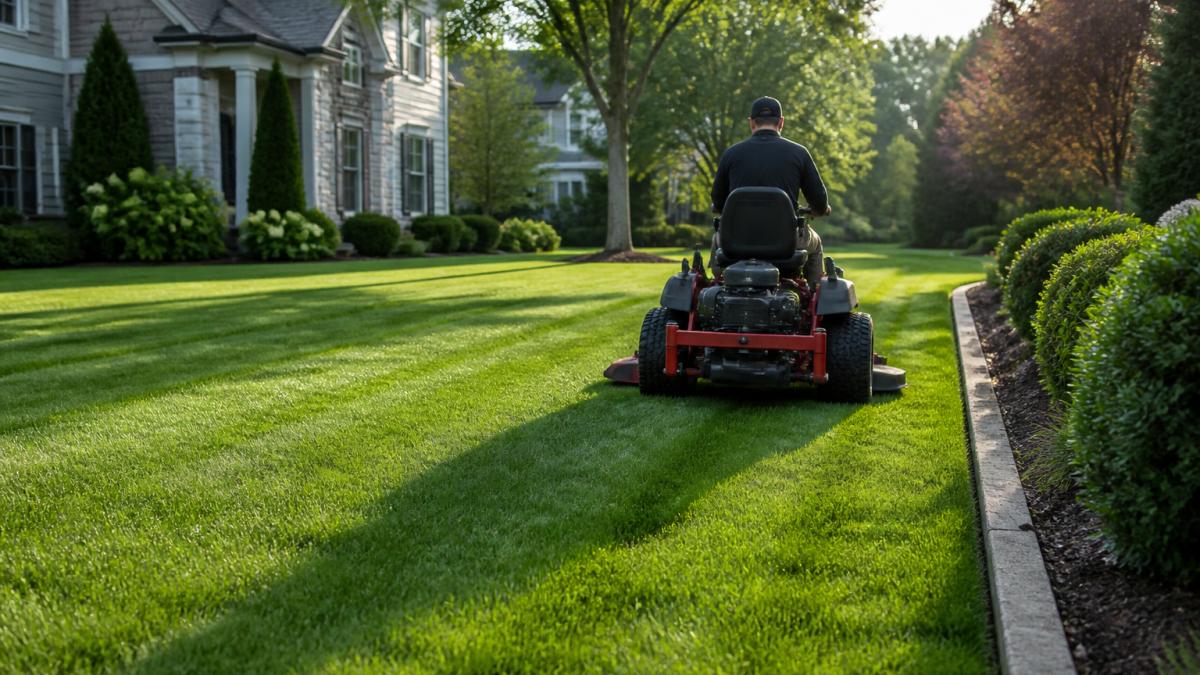
Regular lawn mowing is the foundation of any yard care program. Cutting grass to the proper height promotes healthy growth and improves appearance.
Professional mowing also includes edging along driveways and walkways, creating clean borders and preventing grass from encroaching into hardscaped areas. Many services include clipping removal or mulching.
Seasonal Cleanup and Leaf Removal
Seasonal cleanup addresses debris and growth that accumulate throughout the year. Fall leaf removal is particularly important in Northern Virginia, where deciduous trees shed heavily.
Spring cleanup removes winter debris, dead branches, and thatch. Summer cleanup maintains beds and removes weeds before they establish. Experienced providers adjust to each season's priorities.
Lawn Treatments and Turf Health
Healthy turf requires more than mowing. Professional lawn treatments include fertilization timed to your grass's seasonal needs. Many providers offer soil testing to identify deficiencies, then apply targeted treatments.
Weed control is another critical component. Preventive approaches stop problems before they start, and eco-friendly options are popular with homeowners concerned about chemical use around families and pets.
Trimming, Edging, and Tree Care
Professional yard care services often include shrub trimming and hedge maintenance, keeping plantings shaped and healthy. Tree care ranges from basic pruning to removing dead branches that pose safety risks; larger removals require specialized equipment and certification.
Edging maintains clean lines between lawn and beds, preventing grass from creeping into planted areas. This detail work significantly impacts curb appeal.
Cost of Professional Lawn Care Services
Most local yard care pages list services and stop there. What they rarely publish is how a quote is actually built. Understanding the line items behind a price lets you compare bids apples to apples.
What Actually Drives Your Quote
A yard care estimate is a stack of variables, not a single rate. The biggest drivers:
- Lot size and mowable turf area. Total acreage matters less than the square footage of grass actually being cut. A wooded half-acre with a small lawn can price like a quarter-acre lot.
- Access and obstacles. Narrow gates, steep slopes, retaining walls, play sets, and dense bed lines slow a crew down. Properties requiring push mowing or string trimming instead of a ride-on unit cost more per visit.
- Seasonal cleanup volume. Leaf removal is priced by debris volume and tree canopy, not lot size alone. A property under mature oaks can generate several times the leaf load of an open lawn of the same size.
How Pricing Models Compare
Three models dominate residential contracts, and each fits a different situation:
| Model | How it works | Best for |
|---|---|---|
| Per-visit | Flat rate per mowing or per service call | Irregular schedules, one-time cleanups, rental turnovers |
| Monthly plan | Bundled visits at a predictable monthly rate | Homeowners who want consistent weekly or bi-weekly care |
| Seasonal contract | Full-season pricing covering mowing plus scheduled treatments | Properties needing fertilization, aeration, and cleanup on a calendar |
Per-visit pricing gives flexibility but the highest per-cut cost. Monthly plans trade commitment for a lower rate and a guaranteed route slot. Seasonal contracts bundle the most work and usually deliver the lowest cost per service, if the scope is in writing.
Reading an Itemized Estimate
A useful estimate separates labor, materials, and disposal. Ask for these line items:
- Base mowing rate and visit frequency
- Edging and trimming (included or billed separately?)
- Clipping disposal method and any haul-away fee
- Each treatment listed by name, rate, and number of applications per year
- Cleanup scope, spring, fall, or both, and debris volume assumptions
- Any fuel, equipment, or trip charges
If a bid arrives as a single lump sum, you cannot tell whether fertilization is included or whether fall leaf removal is a separate invoice. Request itemization before signing.
Questions That Reveal the Real Price
- Is the quoted rate locked for the season, or can it change mid-contract?
- What triggers a price adjustment, property changes, fuel costs, or scope additions?
- Is there a minimum number of visits or a cancellation fee?
- Are treatments billed per application or as a flat seasonal package?
Where Guarantees Fit Into Value
Price only means something next to what backs it. A satisfaction guarantee with a defined remedy window, a stated number of days to request a re-service or refund, tells you the provider expects to get it right. Ask what happens if a treatment underperforms or a visit is missed. A clear written policy beats a slightly lower rate with no recourse.
How to Choose a Lawn Care Company
Selecting the right professional yard care provider requires evaluating factors beyond price. The best choice depends on your needs, property conditions, and values.
Reliability and Customer Reviews
Reliability matters more than you might think. A company that consistently shows up on schedule and completes work thoroughly ensures your lawn receives consistent care.
Look for patterns in reviews rather than isolated comments.
Personal referrals from neighbors carry significant weight. If someone in your community uses a service and is satisfied, that recommendation reflects real local experience.
Licensing, Insurance, and Guarantees
Professional yard care providers should carry appropriate licensing and insurance, protecting you if equipment damages your property or someone gets injured. Ask to see proof of liability insurance before hiring.
Guarantees and satisfaction policies matter for peace of mind. A provider standing behind their work with a satisfaction guarantee demonstrates confidence in their service quality.
Eco-Friendly and Sustainable Practices
If environmental impact matters to you, evaluate each provider's sustainability approach.
Ask about waste management: do they compost leaves and debris or send everything to landfills? These practices reflect a company's commitment to environmental responsibility.
Lover's Lawn Services LLC emphasizes eco-friendly practices throughout our operations. We use state-of-the-art equipment and sustainable methods to deliver professional results while minimizing environmental impact.
Seasonal Lawn Care Services Throughout the Year
Generic seasonal advice says to "fertilize in spring" and "clean up leaves in fall." A working calendar tells you what to do in which month and why timing matters. The schedule below reflects the cool-season and transitional turf common in this region, where summers bring heat and humidity stress and falls deliver heavy leaf drop.
Late Winter (February-Early March): Assessment and Prep
Before growth resumes, walk the property and note winter damage: heaving from freeze-thaw cycles, salt burn along walkways, and dead patches from snow cover. This is the window to service equipment, sharpen mower blades, and schedule spring cleanup before crews fill up. Soil testing now gives results in time to plan spring feeding.
Spring (March-May): Wake-Up and Feed
- March: First cleanup pass, remove winter debris, fallen branches, and matted leaves before they smother new growth. Begin mowing once grass reaches roughly one-third above your target height.
- April: Apply the first fertilization round as soil temperatures rise and turf breaks dormancy. This is the best window for overseeding bare patches and for planting shrubs and perennials while temperatures are moderate and moisture is reliable.
- May: Weed pressure peaks as beds and turf both push growth. Pre-emergent timing matters, applied too late, it misses the germination window it was meant to block. Begin consistent weekly mowing at a height that promotes root depth rather than top growth.
Summer (June-August): Stress Management
Heat and humidity make this the season where lawns are won or lost. Water deeply and infrequently, shallow watering trains roots upward and weakens turf against drought (Efficient Lawn Irrigation in the Intermountain West).
Weed and insect pressure intensifies. Grubs, chinch bugs, and fungal disease show up fastest in stressed turf, so scouting matters more than reacting.
Fall (September-November): The Most Important Season
Fall is when the work you do pays off next spring.
- September: Aerate compacted soil and overseed thin areas while soil is warm and air is cooling, the ideal germination window. Apply a fall fertilization round to build root reserves.
- October: This is peak leaf drop for properties under mature deciduous trees. Remove leaves promptly; a matted layer blocks light, traps moisture, and invites disease. Fall is also the best time to prune most trees and shrubs while structure is visible and growth has slowed.
- November: Final cleanup pass before winter. Continue mowing at a reduced height until growth stops, and clear gutters, beds, and lawn edges of the last debris.
Winter (December-January): Protection and Structure
Active growth stops, but the property still needs attention. Remove storm debris and fallen branches before they damage turf or hardscape. Dormant pruning of deciduous trees is easiest now because branch structure is fully visible. Avoid walking on frozen or saturated turf, which causes crown damage that appears as dead patches in spring.
Why the Calendar Beats a Checklist
A service checklist tells you what a provider offers. A calendar tells you when each task needs to happen, and timing is where most DIY and cut-rate programs fail.
When you review a provider's plan, ask them to map visits to months, not seasons. A crew that can tell you what they do in April versus October works from a schedule, not a sales sheet.
Why Professional Service Beats DIY Lawn Care
Many homeowners try to maintain their lawns themselves, discovering over time that professional service offers advantages beyond convenience.
Professional providers understand soil science, grass varieties, and seasonal timing in ways that take homeowners years to develop.
Equipment makes a real difference too.
Consistency matters more than most homeowners realize. Skipping a week of mowing or forgetting to fertilize on time creates visible problems.
Making the Switch to Professional Yard Care
Transitioning to professional yard care is straightforward.
Most providers offer flexible plans, so you can start with basic mowing and add services as needed, adjusting seasonally with more visits during peak growth and fewer during slower periods.
The first few weeks of professional service may reveal issues your lawn has developed. A reputable provider will communicate these findings and recommend treatments.
Frequently Asked Questions
How much do professional yard care services cost?
Professional yard care services vary based on yard size, service type, and frequency. Get a property-specific quote from your chosen provider to understand pricing for your exact needs and yard conditions.
What services should I expect from a professional lawn care company?
Standard professional yard care services include lawn mowing, edging, leaf removal, and basic trimming. Many providers also offer lawn treatments for turf health, seasonal cleanup, planting, tree and shrub care, and hardscaping. Ask potential providers which services they include in their base package and which are add-ons.
How do I know if a lawn care company is reliable?
Check customer reviews on Google and local directories, verify they're licensed and insured, and ask about their cancellation and satisfaction policies. A company offering a satisfaction guarantee or refund policy shows confidence in their work. Request references from current clients and confirm they show up consistently on scheduled dates.
What's the difference between seasonal and year-round lawn care services?
Seasonal services focus on specific times of year, like spring cleanup, summer lawn treatment, or fall leaf removal. Year-round services provide regular maintenance throughout all seasons, including routine mowing, ongoing turf care, and seasonal adjustments. Year-round plans offer better lawn health and appearance but require a longer commitment.
Maintaining a beautiful, healthy lawn requires more than good intentions. Professional yard care services deliver the expertise, consistency, and equipment needed to transform your outdoor space. Lover's Lawn Services LLC brings Scandinavian-inspired precision and eco-friendly practices to every job, backed by our 100% satisfaction guarantee and 3-day refund policy. Get started with Lover's Lawn Services LLC and discover what professional yard care can do for your property.