 how-to
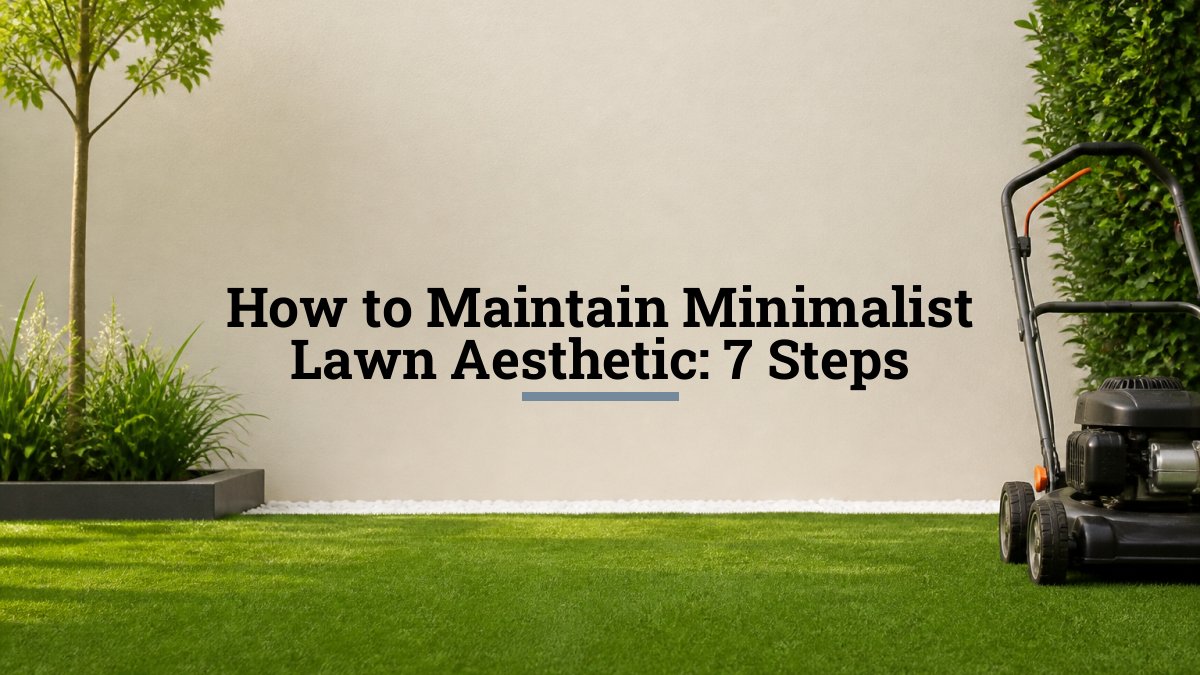
How to Maintain Minimalist Lawn Aesthetic: 7 Steps
Table of Contents
- What Minimalist Lawn Aesthetic Means
- Step 1: Choose Native Plants and Drought-Tolerant Species
- Step 2: Implement Hardscaping and Reduce Lawn Size
- Step 3: Master Lawn Edging and Mowing Schedule
- Step 4: Apply Mulch and Manage Soil Health
- Step 5: Adopt Eco-Friendly Lawn Maintenance Practices
- Step 6: Explore Low-Maintenance Lawn Alternatives
- Minimalist Lawn Care Tips for Year-Round Success
- Frequently Asked Questions
Last Updated: October 11, 2026
What Minimalist Lawn Aesthetic Means
To maintain minimalist lawn aesthetics, you strip away excess to focus on clean lines, purposeful plantings, and functional simplicity. It prioritizes open space, uses hardscaping materials like gravel and stone to define areas, and replaces traditional turf with native plants and drought-tolerant species.
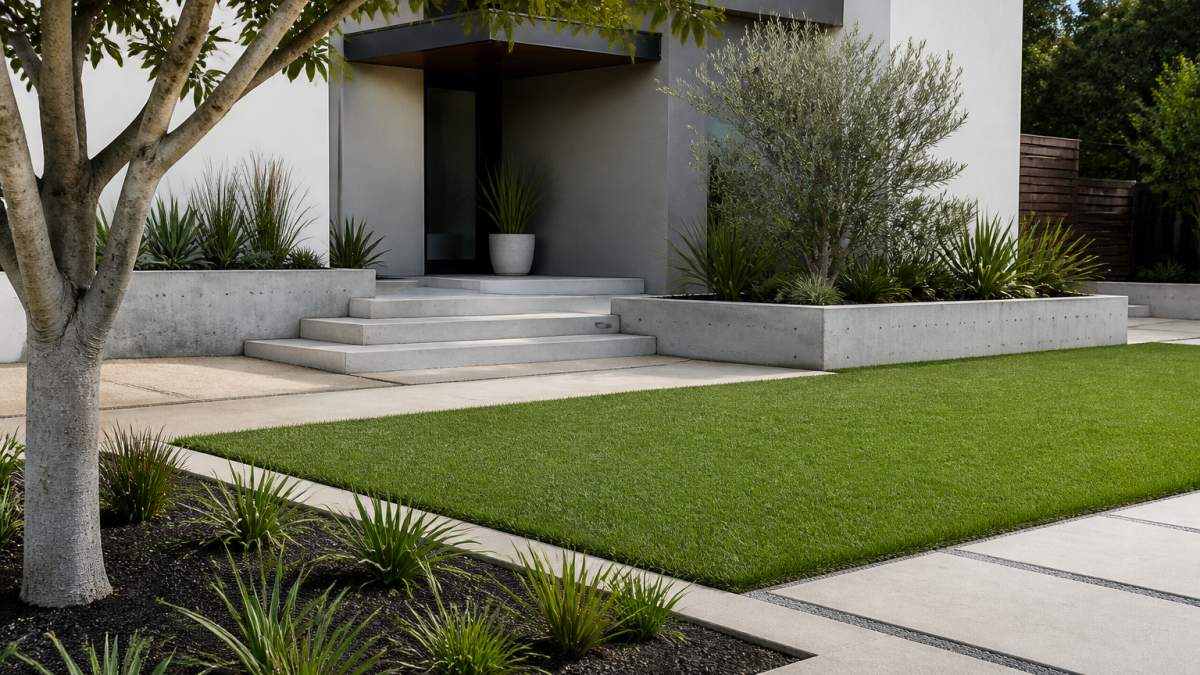
The minimalist lawn aesthetic isn't about having no grass, it's about using grass strategically where it matters most.
Key characteristics include:
- Geometric precision: Clean edges and defined zones
- Limited color palette: Greens, grays, and earth tones
- Functional spaces: Areas serve a purpose (gathering, circulation, visual interest)
- Low maintenance: Fewer plants to manage, less watering needed
- Sustainability focus: Native species, water conservation, eco-friendly practices
The beauty of this approach is that it reduces your workload while increasing curb appeal. You're not fighting nature, you're working with it.
Step 1: Choose Native Plants and Drought-Tolerant Species
Native plants are the foundation of any minimalist lawn. They've adapted to your local climate and need less water, fertilizers, and pest management than ornamental imports. They support local pollinators and wildlife while requiring minimal intervention.
When selecting plants for a minimalist aesthetic:
- Choose species with architectural interest (strong shapes, interesting textures)
- Limit your palette to 3-5 plant types maximum
- Prioritize perennials over annuals (they return each year without replanting)
- Select plants that peak at different seasons for year-round visual interest
- Avoid dense, bushy plants that create visual clutter
Succulents and ornamental grasses work particularly well in minimalist designs, providing texture and movement without frequent pruning.
Step 2: Implement Hardscaping and Reduce Lawn Size
Hardscaping, stone, gravel, pavers, and other non-living materials, creates visual order, defines spaces, and reduces turf maintenance. Map your yard's functional zones (walkways, seating, water flow) and use hardscaping to answer these questions with clean, intentional design.
Gravel and aggregate materials create visual order, improve drainage, suppress weeds naturally, require no mowing or watering, and complement minimalist design.
Keep grass only in areas where it serves a function. A small, well-maintained lawn surrounded by hardscaping and plantings looks intentional and polished.
Consider these lawn alternatives:
- Gravel beds: Affordable, visually clean, excellent drainage
- Permeable pavers: Create walkways while allowing water infiltration
- Ground covers: Low-growing plants that spread naturally
- Decking or patios: Define outdoor living spaces
Step 3: Master Lawn Edging and Mowing Schedule
Sharp, clean edges separate a minimalist lawn from a neglected one. Edge monthly during growing season with a sharp spade, creating a 2-4 inch consistent border between lawn and planting beds.
Mow every 7-10 days during peak growing season, keeping grass at 2.5-3 inches tall. Mow in different directions to prevent ruts, mulch clippings to return nutrients, and stop mowing in late fall.
The goal is consistency, not perfection. A well-maintained minimalist lawn should look effortless, like it naturally belongs in your landscape rather than demanding constant attention.
Step 4: Apply Mulch and Manage Soil Health
A 2-3 inch layer of organic mulch suppresses weeds, retains moisture, regulates temperature, and defines beds. Choose shredded bark, wood chips, compost, or inorganic materials (gravel, stone) based on your aesthetic.
Build soil health by adding 1-2 inches of compost annually, testing soil pH every 2-3 years, keeping soil covered with mulch or plants, avoiding foot traffic on beds, and encouraging earthworms through organic matter.
When you invest in soil health early, your plants thrive with less intervention. This is the real secret to how to maintain minimalist lawn care without constant effort.
Step 5: Adopt Eco-Friendly Lawn Maintenance Practices
Eco-friendly approaches work with natural systems. Water conservation is the cornerstone of minimalist lawn care, native and drought-tolerant plants need less water, but when you do water, do it strategically.
Water deeply but infrequently (once or twice weekly in summer), early morning to reduce evaporation. Use drip irrigation for beds and collect rainwater for supplemental watering.
Pest and weed management relies on prevention: dense mulch prevents weeds, healthy plants resist pests naturally, hand-remove occasional weeds, avoid broad-spectrum herbicides, and encourage natural predators through native plantings.
Fertilization needs drop dramatically in minimalist landscapes. Compost and mulch breakdown provide steady nutrient release; use slow-release organic options if needed.
Step 6: Explore Low-Maintenance Lawn Alternatives
Modern minimalist design embraces lawn alternatives that reduce maintenance. A phased approach over 3-5 years spreads costs, tests what works in your microclimate, and adjusts design as you learn what thrives.
The phased transition strategy:
Year 1: Convert 25-30% of lawn in high-visibility areas (front entry, sight lines, outdoor living zones). Start with hardscaping (gravel, pavers, or decomposed granite) to reduce mowing area. Budget $3-6/sq ft for gravel or $8-15/sq ft for pavers.
Year 2-3: Convert another 25-30% of lawn while testing native species and ground covers. Plant in clusters of 3-5 of the same species to reduce clutter and ease maintenance. Bulk planting (50+ plants) costs $0.50-$1.50 each.
Year 4-5: Complete the transition, converting final lawn area. You'll know which plants thrive without supplemental watering and where grass is truly needed.
Ground cover options: Creeping thyme (aromatic, drought-tolerant, spreads slowly). Sedums (minimal water, slow to establish, $2-4 per plant). Moss (shaded, moist areas only). Clover (nitrogen-fixing, spreads aggressively). Native groundcovers (region-specific, zero supplemental care long-term).
Hardscape alternatives: Permeable pavers ($8-15/sq ft, durable 20+ years). Gravel gardens ($3-6/sq ft, requires annual raking). Decomposed granite ($2-4/sq ft, excellent drainage). Decking/patios ($10-25+/sq ft, eliminates lawn in high-traffic zones). Rock gardens ($2-5/sq ft, minimal maintenance).
Test ground covers and hardscape in small zones (50-100 sq ft) through a full season and winter before converting large areas. This prevents costly mistakes and builds design confidence.
Choose alternatives that align with your aesthetic and budget. A phased approach lets you adjust based on what you learn, expand what thrives, modify what doesn't.
Minimalist Lawn Care Tips for Year-Round Success
Maintaining a minimalist lawn year-round requires understanding seasonal changes. Consistent soil health and pest prevention prevent most maintenance headaches.
Spring: Edge beds, refresh mulch, test soil pH (target 6.0-6.8), apply 1-2 inches compost. Divide perennials, plant new species. Begin mowing at 2.5-3 inches. Monitor new plantings; water deeply 2-3x weekly if rainfall is below 1 inch. Hand-remove pests or use insecticidal soap if populations exceed 10-15 per plant.
Summer: Water deeply 1-2x weekly (1-1.5 inches), early morning. Deadhead flowers, maintain sharp edges weekly. Reduce mowing if growth slows; maintain 2-3 inch mulch depth. Monitor for spider mites and Japanese beetles; hand-pick or use pheromone traps. Reduce watering late summer as temperatures cool.
Fall: Reduce watering as temperatures cool. Plant spring bulbs in clusters of 5-7. Cut back perennials after first hard frost. Add 1-2 inch compost layer to beds (most important soil health practice). Rake leaves from hardscaped areas; leave leaves in beds to decompose. Stop mowing after first hard freeze. Drain irrigation equipment.
Winter: Assess what worked during growing season; document changes. Maintain equipment (sharpen tools, service irrigation, clean mowers). Plan spring plantings and order plants early. Check plants after snow/ice events; brush snow off evergreens.
Soil health maintenance throughout the year:
Healthy soil is the foundation of low-maintenance minimalist landscapes. Unlike traditional lawns that rely on synthetic fertilizers, minimalist designs thrive when soil biology is active and organic matter is abundant.
- Annual compost addition: Apply 1-2 inches of finished compost to all planting beds each fall or early spring. This single practice eliminates the need for synthetic fertilizers while building soil structure, improving water retention, and feeding beneficial microbes.
- Avoid bare soil: Always keep soil covered with mulch (2-3 inches) or living plants. Bare soil compacts, loses organic matter, and becomes a seedbed for weeds.
- Reduce compaction: Avoid foot traffic on planting beds. Create clear pathways with hardscaping or ground covers to direct movement and protect soil structure.
- Encourage earthworms: Earthworms are indicators of healthy soil. Organic matter additions, reduced chemical inputs, and consistent mulch coverage create conditions where earthworm populations thrive. A healthy soil should contain 5-10 earthworms per shovel-full.
- Test every 2-3 years: Soil testing reveals pH, nutrient levels, and organic matter content. Most extension services offer affordable testing ($10-30); results guide your compost and amendment strategy.
Pest and weed management by season:
Minimalist landscapes attract different pests than traditional monoculture lawns. Prevention through cultural practices is far more effective than reactive spraying.
- Spring: Slugs and snails emerge as soil warms. Hand-pick in early morning or use beer traps (shallow containers filled with beer, sunk to soil level). Aphids colonize new growth; spray with insecticidal soap if populations exceed 15-20 per plant.
- Summer: Spider mites thrive in hot, dry conditions. Increase watering frequency and mist foliage to raise humidity. Japanese beetles feed on ornamental plantings; hand-pick in early morning or use pheromone traps. Dense mulch prevents most annual weeds from germinating; hand-remove any that appear.
- Fall: Reduce pest pressure naturally as temperatures cool. Focus on cleanup and soil health to prevent overwintering pest populations.
- Winter: Minimal pest activity. Monitor for scale insects on evergreens during dormancy when they're easier to spot and treat.
Common mistakes and how to avoid them:
Overplanting creates visual clutter and maintenance burden. Stick to 3-5 plant species maximum in a minimalist design. Inconsistent edging makes even small spaces look neglected; edge monthly during growing season. Fighting against local growing conditions instead of working with them wastes time and resources; choose native and drought-tolerant species adapted to your specific zone and soil type.
| Season | Primary Task | Secondary Task | Frequency | Soil Health Focus |
|---|---|---|---|---|
| Spring | Edge and mulch refresh | Plant new species | Monthly | Add compost, test soil |
| Summer | Water management | Pest monitoring | 1-2x weekly watering | Maintain mulch depth |
| Fall | Prepare for dormancy | Cut back perennials | Monthly | Add compost layer |
| Winter | Planning and rest | Equipment maintenance | As needed | Observe soil life |
The most successful minimalist lawns balance intentional design with natural systems. You're not trying to control every aspect of your landscape; you're creating conditions where plants thrive with minimal intervention. Consistency matters far more than perfection. A well-maintained minimalist lawn should look effortless, like it naturally belongs in your landscape rather than demanding constant attention.
Frequently Asked Questions
How often should you mow a minimalist lawn?
Mowing frequency depends on your grass type and growth rate, typically every 7-10 days during active growing season. With a minimalist approach, keep your mower height at 2.5-3.5 inches to reduce stress on grass and suppress weeds. Consistent, frequent mowing maintains clean lines and visual order while reducing the need for chemical weed control. Adjust frequency seasonally: more often in spring and early summer, less in late summer and fall.
What are the best minimalist lawn care tips for busy homeowners?
Focus on automated irrigation, native plants that need minimal water, and hardscaping to reduce lawn area. Set a regular mowing schedule and stick to it for visual consistency. Apply mulch around plantings to suppress weeds and retain soil moisture, cutting maintenance time significantly. Consider delegating to professionals who understand your minimalist vision and can maintain it reliably without disrupting your routine.
Can eco-friendly lawn maintenance actually work in a minimalist design?
Yes. Eco-friendly practices align perfectly with minimalist principles. Native plants, organic mulch, automated drip irrigation, and rainwater harvesting reduce water waste and chemical use while maintaining the clean aesthetic. Avoid synthetic fertilizers and pesticides; instead use compost and natural pest management. This approach creates healthier soil, supports biodiversity, and requires less intervention over time, making it ideal for low-maintenance minimalist landscapes.
What low-maintenance lawn alternatives work best for minimalist yards?
Ground covers like clover, creeping thyme, or native sedges replace traditional grass while reducing mowing. Hardscaping with gravel, pavers, or aggregate materials defines space with visual order and zero maintenance. Perennials and ornamental grasses add structure without annual replanting. Combining these alternatives with small turf areas creates functional simplicity and reduces overall maintenance burden while keeping your minimalist aesthetic intact.