 how-to
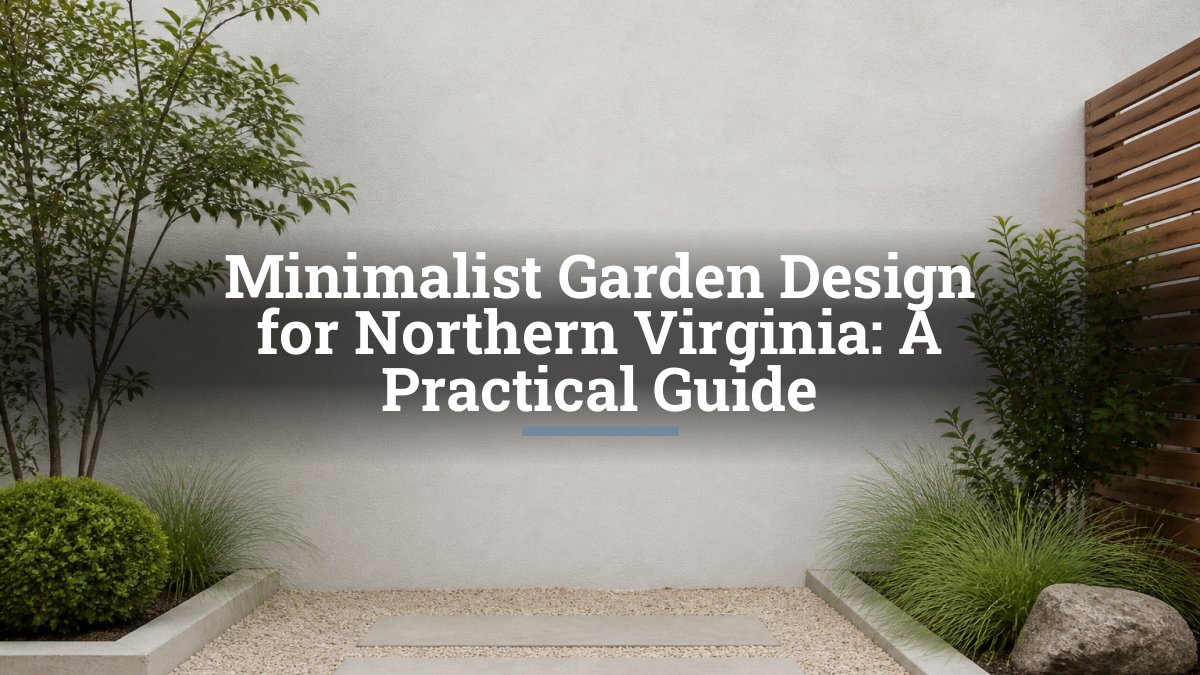
Minimalist Garden Design for Northern Virginia: A Practical Guide
Table of Contents
- What Minimalist Garden Design Means for Your Outdoor Space
- Low-Maintenance Landscaping Ideas for Northern Virginia
- Northern Virginia Native Garden Plants That Thrive With Minimal Care
- Simple Garden Layout Ideas for a Clean, Balanced Look
- Easy-Care Outdoor Plants and Spacing Guidelines
- Designing for Northern Virginia's Climate and Soil
- Phased Implementation: Budget-Friendly Minimalist Garden Design
- Maintaining Your Minimalist Garden Year-Round
- Frequently Asked Questions
Last Updated: October 6, 2026
What Minimalist Garden Design Means for Your Outdoor Space
Minimalist garden design is the practice of creating outdoor spaces that emphasize clean lines, intentional plant placement, and purposeful simplicity.
The philosophy works particularly well in Northern Virginia. Our region's clay soils, variable moisture, and mix of sun and shade actually benefit from a thoughtful, selective approach to planting.
Homeowners often overthink their outdoor spaces. They plant too densely, add too many design elements, and end up with yards that demand constant attention. The minimalist approach flips that.
Low-Maintenance Landscaping Ideas for Northern Virginia
Low-maintenance landscaping starts with understanding what "low-maintenance" actually means. It doesn't mean no maintenance. It means choosing plants and layouts that align with your region's natural conditions, so they don't fight against the environment.
Northern Virginia's climate brings cold winters, humid summers, and unpredictable spring weather. Native plants evolved to handle these conditions. When you work with them instead of against them, maintenance drops significantly.
Here are practical low-maintenance approaches:
- Plant native species adapted to local soil and moisture. Native plants have deep root systems and thrive in our clay-heavy soils.
- Use mulch strategically. A 2-3 inch layer suppresses weeds, regulates soil temperature, and reduces watering needs (Mulching woody ornamentals with organic materials).
- Group plants by water needs. Cluster thirsty plants together and drought-tolerant plants separately. This lets you water efficiently without overwatering some plants while others dry out.
- Minimize turf grass. Replace large lawn areas with native plantings or hardscape. Grass demands frequent mowing, fertilizing, and watering.
- Design for your sun exposure. Shade-loving plants in shade, sun-lovers in sun. Mismatched plants always struggle and demand more care.
The minimalist garden naturally supports these practices. By being selective about what you plant, you create conditions where each plant can thrive without constant intervention.
Northern Virginia Native Garden Plants That Thrive With Minimal Care
Native plants are the foundation of a minimalist garden. They're adapted to local rainfall, soil, and temperature patterns. That means they need less fertilizer, less watering, and less pest management than non-native ornamentals.
Shade-Tolerant Native Plants
Shade is common in Northern Virginia yards, especially under mature oak and maple trees. These native plants handle shade well:
- Coral honeysuckle, A native vine that tolerates partial to full shade. It produces red tubular flowers that attract hummingbirds. Mature height: 6-8 feet.
- Black-eyed Susan, Hardy perennial with bright yellow flowers and dark centers. Thrives in part shade to full sun. Mature height: 2-3 feet.
- Virginia sweetspire, Deciduous shrub with fragrant white flowers in spring and burgundy foliage in fall. Tolerates wet or dry shade. Mature height: 3-6 feet.
- Christmas fern, Evergreen fern that provides year-round structure in shaded areas. Tolerates deep shade and dry soil. Mature height: 1-2 feet.
- Ostrich fern, Tall deciduous fern for moist shade. Adds texture and movement. Mature height: 2-4 feet.
Sun-Loving Native Species
Full-sun areas are opportunities to showcase native plants that demand little once established:
- Purple coneflower (Echinacea), Drought-tolerant perennial with pink-purple flowers. Blooms mid-summer through fall. Attracts pollinators. Mature height: 2-4 feet.
- New York ironweed, Tall native perennial with deep purple flowers. Thrives in full sun and tolerates wet or dry soil. Mature height: 4-6 feet.
- Blazing star (Liatris), Tall spiky flowers in purple or white. Extremely drought-tolerant once established. Blooms mid to late summer. Mature height: 2-5 feet.
- Serviceberry, Multi-stemmed native shrub or small tree. White flowers in spring, edible berries, red fall color. Mature height: 15-25 feet.
- Ninebark, Deciduous shrub with peeling bark, white flowers, and red fruit. Tolerates dry to wet soil. Mature height: 5-9 feet.
When spacing these plants, follow the mature size. Plant them closer together than you might expect at installation. They'll grow into their space. This prevents overcrowding later and reduces the temptation to prune constantly.
Simple Garden Layout Ideas for a Clean, Balanced Look
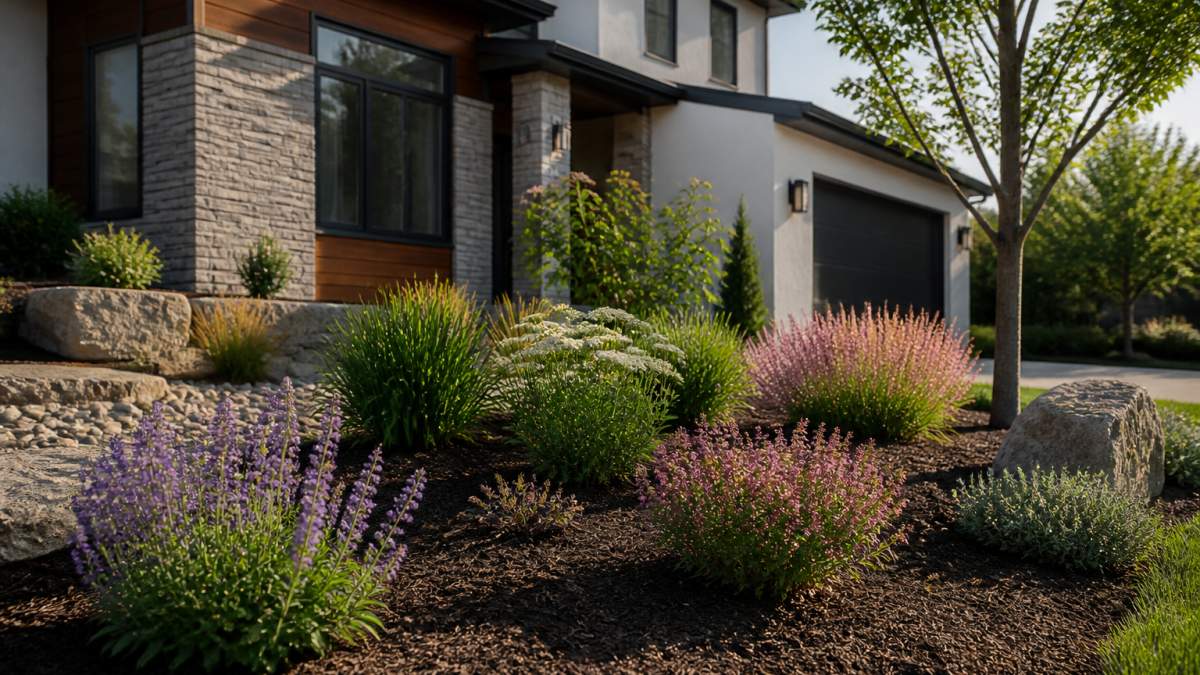
A minimalist garden layout emphasizes open space and intentional grouping. The design should feel calm, not cluttered.
Start by identifying your site's natural zones: areas of full sun, part shade, and deep shade. Identify where water collects after heavy rain and where soil dries out quickly. These observations guide plant placement.
A practical minimalist layout for a residential property includes:
- Define edges with clean lines. Use straight or gentle curves to separate planting areas from lawn or hardscape. Avoid jagged, irregular borders.
- Create focal points strategically. One well-placed specimen plant or small grouping draws the eye. Too many focal points create visual chaos.
- Use repetition deliberately. Plant the same species in groups of three or five, rather than scattering different plants throughout. Repetition creates visual coherence.
- Leave breathing room. Open space is part of the design, not wasted space. It makes the landscape feel intentional and calm.
- Layer heights. Combine tall plants in the back, medium in the middle, short in front. This creates depth and visual interest without clutter.
For a typical Northern Virginia front yard, a minimalist layout might include a simple mulched bed along the foundation with three to five carefully selected native plants, leaving most of the yard as open lawn or hardscape. The back yard could feature a grouping of native shrubs and perennials in one or two beds, with the rest open.
Easy-Care Outdoor Plants and Spacing Guidelines
Proper spacing prevents overcrowding, reduces disease, and cuts maintenance dramatically. Many gardeners plant too densely because new plants look small at installation.
Use the plant's mature size, not its current size, to determine spacing. Check the tag or research the species. If a shrub matures to 6 feet wide, plant it 6 feet away from its neighbors.
For common native plants in Northern Virginia:
| Plant | Mature Height | Mature Width | Spacing | Sun/Shade |
|---|---|---|---|---|
| Purple coneflower | 2-4 ft | 2-3 ft | 24-30 inches | Full sun |
| Virginia sweetspire | 3-6 ft | 4-8 ft | 4-6 feet | Part to full shade |
| Serviceberry | 15-25 ft | 15-25 ft | 15-20 feet | Full sun to part shade |
| Christmas fern | 1-2 ft | 2-3 ft | 18-24 inches | Deep to part shade |
| Ninebark | 5-9 ft | 5-9 ft | 6-8 feet | Full sun to part shade |
Spacing might feel too wide at planting time. Resist the urge to add more plants to fill gaps. Those gaps close within 2-3 years as plants reach mature size. If you need immediate visual fullness, use mulch or groundcovers in the gaps temporarily.
Designing for Northern Virginia's Climate and Soil
Northern Virginia's climate and soil are distinctive. Understanding them shapes every design decision.
Our winters are cold but not extreme. Temperatures typically drop to 10-20°F. Spring arrives unpredictably, with warm days followed by hard freezes that damage early bloomers. Summer brings humidity and occasional drought. Fall is reliable and beautiful.
Soil in Northern Virginia is predominantly clay. Clay holds moisture and nutrients well but drains slowly. It compacts easily under foot traffic. Most native plants here evolved in clay soil and tolerate it well. Non-native ornamentals often struggle.
Design for these realities:
- Choose plants rated for Zone 7a-7b. Northern Virginia straddles these hardiness zones. Plants rated for both tolerate our winters reliably.
- Avoid early bloomers in prominent locations. Late spring freezes damage forsythia, crabapple, and early magnolias. Use them as background plants, not focal points.
- Improve drainage in low areas. If water pools after rain, either plant moisture-loving species there or add a rain garden to manage runoff.
- Amend clay soil thoughtfully. Adding compost at planting time helps, but don't overdo it. Native plants adapted to clay don't need heavy amendment.
- Plan for humidity. Select plants with good air circulation to prevent mildew and fungal issues. Avoid dense, crowded plantings.
Phased Implementation: Budget-Friendly Minimalist Garden Design
A full minimalist garden redesign doesn't require a large upfront investment.
Phase 1: Site Assessment and Planning (Month 1)
Walk your property and observe:
- Where does the sun hit throughout the day?
- Which areas stay wet after rain?
- Where is soil compacted or poor?
- What existing plants are healthy? Which should go?
Sketch a simple layout. Identify the area you'll tackle first.
Phase 2: Prep and Hardscape (Months 2-3)
Remove underperforming plants. Add mulch to planting beds. If your design includes hardscape (pathways, edging), install it now.
Phase 3: First Planting (Months 3-4)
Plant your first grouping of native plants. Stick to the spacing guidelines. Water regularly the first season as plants establish.
Phase 4: Observation and Adjustment (Months 5-12)
Live with the space for a full season. Observe how plants perform. Note which areas need adjustment.
Phase 5: Expansion (Year 2 and Beyond)
Add to adjacent areas using the same principles. Each phase refines your understanding of your site and your preferences.
Maintaining Your Minimalist Garden Year-Round
Minimalist gardens require less maintenance than traditional landscapes, but they still need attention. The work shifts from constant pruning and deadheading to seasonal tasks that support plant health.
Spring (March-May)
- Remove winter debris and dead stems from perennials.
- Add fresh mulch to planting beds, maintaining a 2-3 inch depth.
- Cut back ornamental grasses before new growth emerges.
- Divide overcrowded perennials if needed.
Summer (June-August)
- Water deeply during dry spells, especially newly planted material.
- Deadhead spent flowers to encourage continued blooming (optional, but extends color).
- Monitor for pests and disease, removing affected leaves if needed.
- Mulch around plants to suppress weeds and retain moisture.
Fall (September-November)
- Cut back perennials after frost kills foliage.
- Rake leaves or mulch them in place to protect soil and suppress weeds.
- Plant new trees and shrubs in fall for strong spring growth.
- Clean up debris to reduce pest overwintering sites.
Winter (December-February)
- Most work pauses. Observe the landscape structure without foliage.
- Prune dead or crossing branches on shrubs and trees.
- Plan next season's additions or changes based on observations.
A minimalist garden typically needs 4-6 hours of maintenance per month during the growing season. The work is seasonal and predictable, not constant.
Creating a minimalist garden in Northern Virginia is about working with your site's natural conditions instead of fighting them. Native plants, thoughtful spacing, and simple layouts create a landscape that's beautiful, functional, and genuinely easy to maintain. Lover's Lawn Services LLC specializes in helping homeowners design and implement minimalist gardens that thrive year-round. Our team understands Northern Virginia's climate, soil, and native plants deeply.
Frequently Asked Questions
What is the best way to start a minimalist garden design in Northern Virginia?
Begin with a site assessment: note sun exposure, soil type, and existing drainage patterns. Map out your space on paper, identifying where you want planting beds, open areas, and focal points. Choose 3-5 native plant species suited to your light conditions rather than filling every inch. Start with one bed or section, establish it, then expand in phases. This approach reduces overwhelm and lets you learn what works on your property before committing to a full redesign.
Which native plants work best for a minimalist garden in this region?
Shade areas: Virginia sweetspire, Christmas fern, and coral bells provide structure with minimal fuss. Sun-facing beds: black-eyed Susans, purple coneflower, and little bluestem offer seasonal color and movement. All are adapted to local clay soils and rainfall patterns. Choose plants with a single mature size in mind, proper spacing from the start prevents overcrowding and reduces pruning needs. Ask a local nursery for recommendations specific to your soil pH and drainage conditions.
What does 'Scandinavian-inspired' landscaping actually mean for my yard?
Scandinavian design emphasizes clean lines, open space, and intentional plant selection rather than dense planting. It means choosing plants for form and texture, not just color; using mulch or gravel to define beds; and leaving breathing room so each plant can be appreciated. The goal is a calm, balanced outdoor environment that feels restful rather than cluttered. This approach also reduces maintenance because fewer plants means less pruning, watering, and seasonal cleanup.
How do I handle clay soil and drainage issues in a minimalist garden design?
Clay soil is common in this region and doesn't require you to abandon minimalist design. Amend beds with compost to improve drainage and workability. For problem areas, build slightly raised beds or install French drains to redirect water. Choose native plants already adapted to clay, they've evolved to handle it. Avoid overwatering; native plants typically need water only during establishment and drought. Proper spacing and mulch also help manage moisture and reduce disease pressure.